The Legal Problem
United Nations Economic Commission for Europe (UNECE) Regulation No. 155 (R155) makes a valid Cybersecurity Management System (CSMS) certificate a mandatory prerequisite for vehicle type approval in markets including the European Union, Japan, South Korea, and Australia. For OEMs selling into those markets, and for Tier 1 and Tier 2 suppliers in those supply chains, R155 is not optional — it is a market access gate.
The legal complexity arises because R155 compliance is not simply an engineering certification exercise. It requires interaction with national type approval authorities, management of supply chain compliance documentation, and ongoing post-production monitoring and incident response obligations. Each of these dimensions has legal exposure.
What guibert.law Delivers
- R155 CSMS certification strategy and timeline planning
- Regulatory interaction support with type approval authorities
- Supply chain R155 obligation flow-down contract provisions
- Post-production monitoring and incident response legal framework
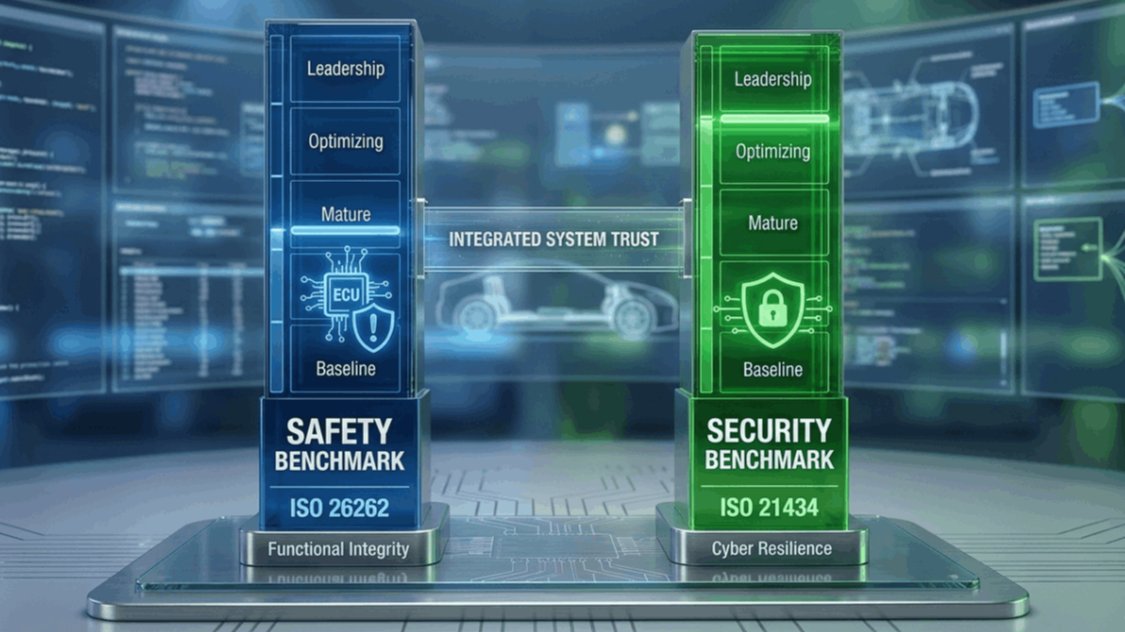
- R155 and ISO/SAE 21434 interaction mapping
guibert.law Insight
UNECE R155 creates an ongoing post-production obligation: OEMs must monitor vehicles in the field for cybersecurity incidents and take corrective action when warranted. This post-sale monitoring obligation is legally significant because it extends the manufacturer's duty of care beyond the point of sale, and creates a record of what the manufacturer knew, and when, for purposes of recall and product liability analysis.
← Back to Automotive Cybersecurity